Course 1: Foundations of Primary Care Physical Therapy
Primary care is defined by function, not by profession. Six recorded modules build the first-contact role: the health system around it, a safety-first evaluation, prevention, the accountability of autonomous practice, and the therapist as educator.

- FormatOnline, self-paced
- Length6 modules, about 75 minutes
- ProgramCourse 1 of 6
- CE statusApproval in process
The foundation for first-contact practice
Every state now has some form of direct access. Far fewer physical therapists practice as true first-contact providers, because the skills, the mindset, and the accountability are different. Course 1 builds that foundation.
Course 1 of 6 in the Primary Care Competency Training Program. Watch the modules in order; each pairs a short video with a knowledge check, and the course ends with a final quiz.
Three things you will be able to do
A working model of first-contact practice
What primary care is, why physical therapists are positioned to provide it, and the evidence and federal validation behind the role.
A safety-first evaluation you can run tomorrow
The four-step sequence, vitals first, red flags versus yellow flags, four triage pathways, and documentation that stands on its own.
Accountability and the educator role
Scope, liability, ethics, safety netting, and referral execution, then the adult-learning toolkit the practice standards expect.
6 modules
- Module 1Defining Primary Care Physical Therapy
- Module 2Health Systems Science I
- Module 3Core First-Contact Skills
- Module 4Prevention and Population Health
- Module 5Ethics, Autonomy and Legal Practice
- Module 6Course Summary and You as Educator
Included in the membership
Pricing
Continuing education
We have applied for continuing education approval for this course. Approval details, including states and hours, will be posted here once granted. Your hours are tracked in your BrainSmith CE record either way.
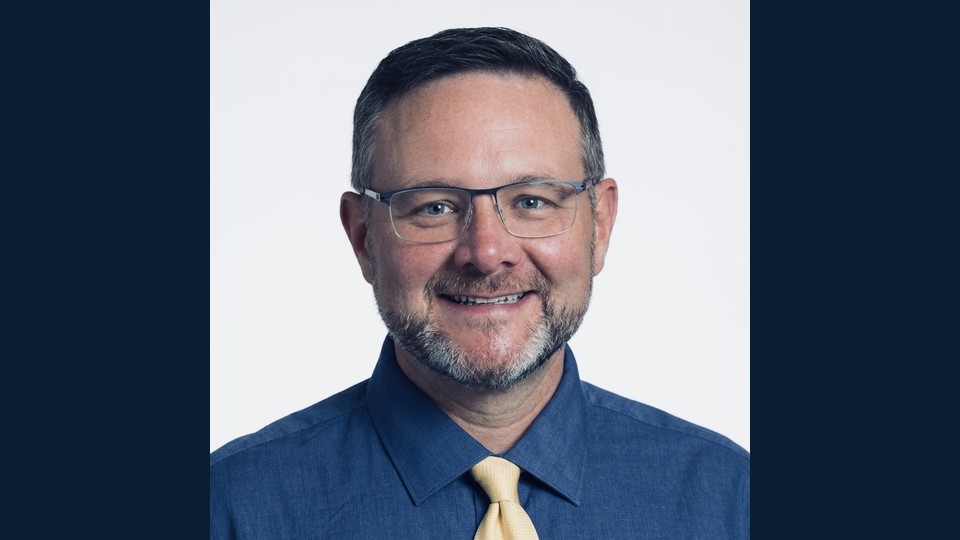
Eric Robertson
PT, DPT, MFA, FAAOMPT
Eric Robertson is a physical therapist and educator who has spent about twenty years teaching in and building DPT programs. He is Associate Professor and Director of Curricular Innovation at the University of St. Augustine for Health Sciences, and CEO and co-founder of BrainSmith. He has served in the APTA House of Delegates and on the IFOMPT Standards Committee, and as an associate editor of the Journal of Physical Therapy Education.
Further reading
- Finucane LM, Downie A, Mercer C, et al. International Framework for Red Flags for Potential Serious Spinal Pathologies. J Orthop Sports Phys Ther. 2020;50(7):350-372. doi:10.2519/jospt.2020.9971
- Severin R, Sabbahi A, Albarrati A, et al. Blood Pressure Screening by Outpatient Physical Therapists: A Call to Action and Clinical Recommendations. Phys Ther. 2020;100(6):1008-1019. doi:10.1093/ptj/pzaa034
- Frogner BK, Harwood K, Andrilla CHA, et al. Physical Therapy as the First Point of Care to Treat Low Back Pain: An Instrumental Variables Approach to Estimate Impact on Opioid Prescription, Health Care Utilization, and Costs. Health Serv Res. 2018;53(6):4629-4646. doi:10.1111/1475-6773.12984
- Ojha HA, Snyder RS, Davenport TE. Direct access compared with referred physical therapy episodes of care: a systematic review. Phys Ther. 2014;94(1):14-30. doi:10.2522/ptj.20130096
- Elwyn G, Durand MA, Song J, et al. A three-talk model for shared decision making: multistage consultation process. BMJ. 2017;359:j4891. doi:10.1136/bmj.j4891