Ethics in Practice: Applying APTA's 2026 Code
Ethics is a clinical skill. This self-paced course walks through how the new Code of Ethics for the Physical Therapy Profession is built, a four-step method for hard calls, and what the Code asks of you with patients, billing, records, supervision, and colleagues.

- FormatOnline, self-paced
- Length7 modules, about 2.5 hours
- AccessStart anytime
- CE statusApproval in process
Built on the Code that took effect January 1, 2026
APTA adopted a new Code of Ethics for the Physical Therapy Profession in July 2025. It is organized differently from the old one, and it asks more of us in some places. This course starts where you should start: you read the Code itself. Then seven short video modules show you how to find what you need in it and how to use it when a decision is hard.
Every module follows one clinic, Kestrel Point Physical Therapy, through the pressures most of us know: a productivity target, a consent conversation that goes sideways, a supervision gap, a colleague you are worried about. The last module works three full cases from start to finish.
For physical therapists, physical therapist assistants, students, and clinician-educators.
Seven modules, one required reading
- Start hereRead the CodeAPTA's Code of Ethics for the Physical Therapy Profession, effective January 1, 2026~20 min
- Module 1Why Ethics Is a Clinical SkillThree rulebooks that can disagree, ordinary ethical trouble, and moral distress9:57
- Module 2The 2026 Code: How It Is BuiltPrinciples and commitments, what is new, and who enforces what13:07
- Module 3A Method for Hard CallsSort the situation, then four steps to a decision you can explain12:21
- Module 4What We Owe PatientsRespect, consent as an ongoing conversation, confidentiality, and boundaries15:59
- Module 5Money, Records, and SupervisionHonest records, productivity targets, conflicts of interest, and supervision16:20
- Module 6Competence, Colleagues, and the PublicScope, evidence, social media and AI, and what to do about a colleague in trouble13:35
- Module 7Three Cases, Worked ThroughThe method applied start to finish11:00
- AssessmentKnowledge checks and final assessmentA short check after each module, plus a 10-question final45 items
Two ways to take it
Pricing
Continuing education
We have applied for continuing education approval. The course runs about 2.5 hours, including 92 minutes of narrated video, the required reading, and 45 assessment questions. Approval details, including states and hours, will be posted here once granted.
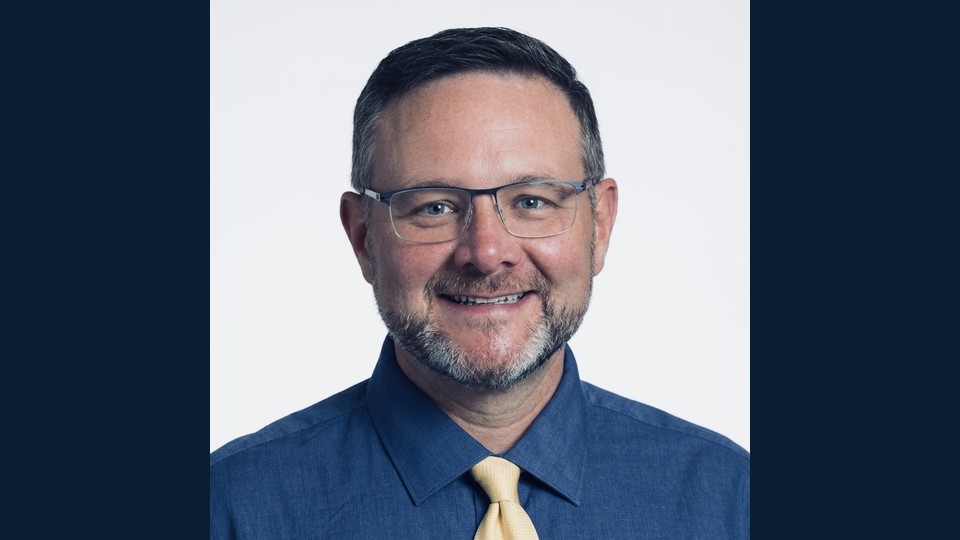
Eric Robertson
PT, DPT, MFA, FAAOMPT
Eric Robertson is a physical therapist and educator who has spent about twenty years teaching in and building DPT programs. He is Associate Professor and Director of Curricular Innovation at the University of St. Augustine for Health Sciences, and CEO and co-founder of BrainSmith. He has served in the APTA House of Delegates and on the IFOMPT Standards Committee, and as an associate editor of the Journal of Physical Therapy Education.
Further reading
- American Physical Therapy Association. Code of Ethics for the Physical Therapy Profession. Adopted July 14, 2025; effective January 1, 2026. apta.org
- Bertoni G, Patuzzo Manzati S, Pagani F, Testa M, Battista S. Ethical and bioethical issues in physical therapy: a systematic scoping review. Phys Ther. 2026;106(3). doi:10.1093/ptj/pzag011
- Heywood S, Bunzli S, Dillon M, et al. Trauma-informed physiotherapy and the principles of safety, trustworthiness, choice, collaboration, and empowerment: a qualitative study. Physiother Theory Pract. 2025;41(1):153-168. doi:10.1080/09593985.2024.2315521
- Inbar N, Doron II, Laufer Y. Physiotherapists' moral distress: mixed-method study reveals new insights. Nurs Ethics. 2024;31(8):1537-1550. doi:10.1177/09697330241230512
- Swisher LL. Ethics and moral agency for a postpandemic era: beyond the storm. 53rd Mary McMillan Lecture. Phys Ther. 2022;102(12). doi:10.1093/ptj/pzac149